We find the actionable insights in your omics data.
Leverage our multi-omics data analysis services to identify actionable biomarkers, drug targets, and clinical insights in complex, multi-modal datasets.
Integrated multi-omics data analyses to maximize your study insights.
Sapient’s models of analysis are aligned to match the breadth and depth of proteomics, metabolomics, and/or other omics datasets you have and the biological questions you need answered. Our data scientists help you:
Discover
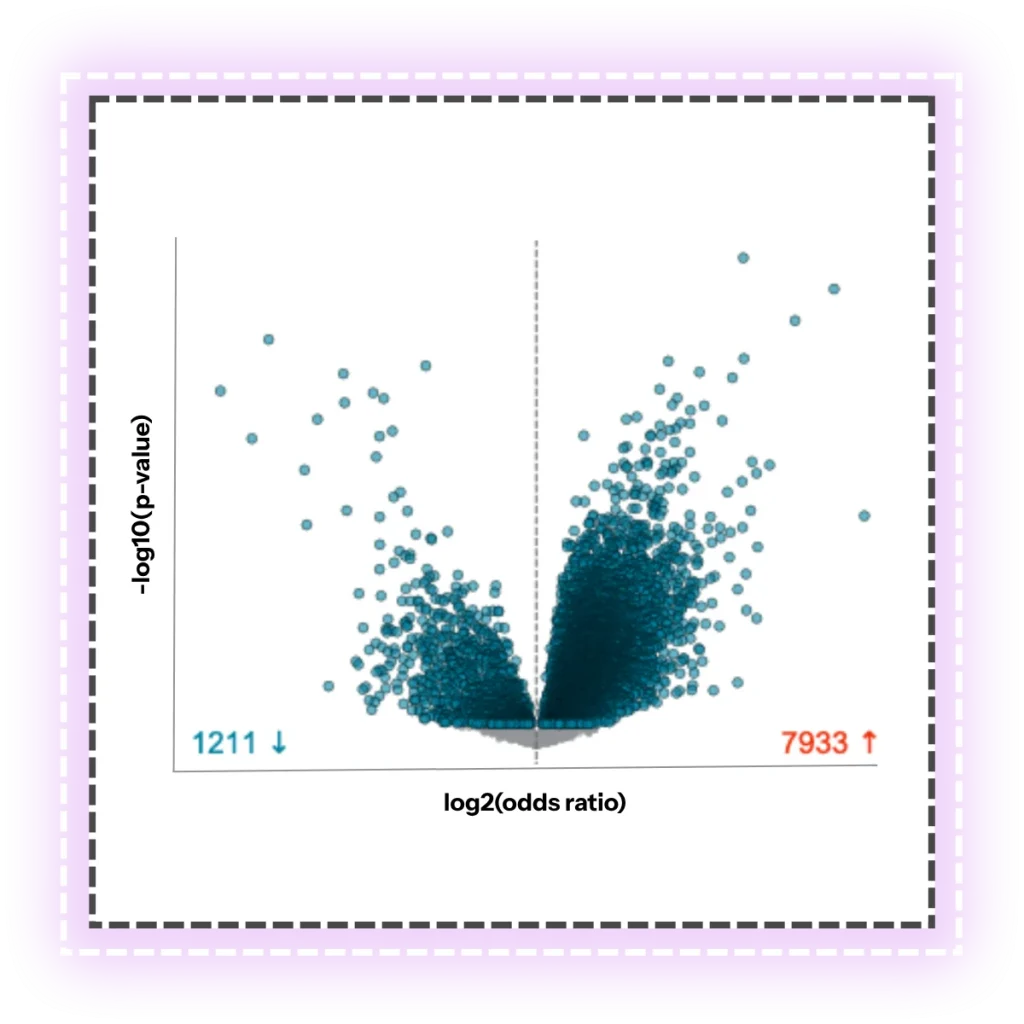
Differential analyses to identify the most biologically relevant signals in multi-omics datasets incorporating up to tens of thousands of molecular features.
Mechanism
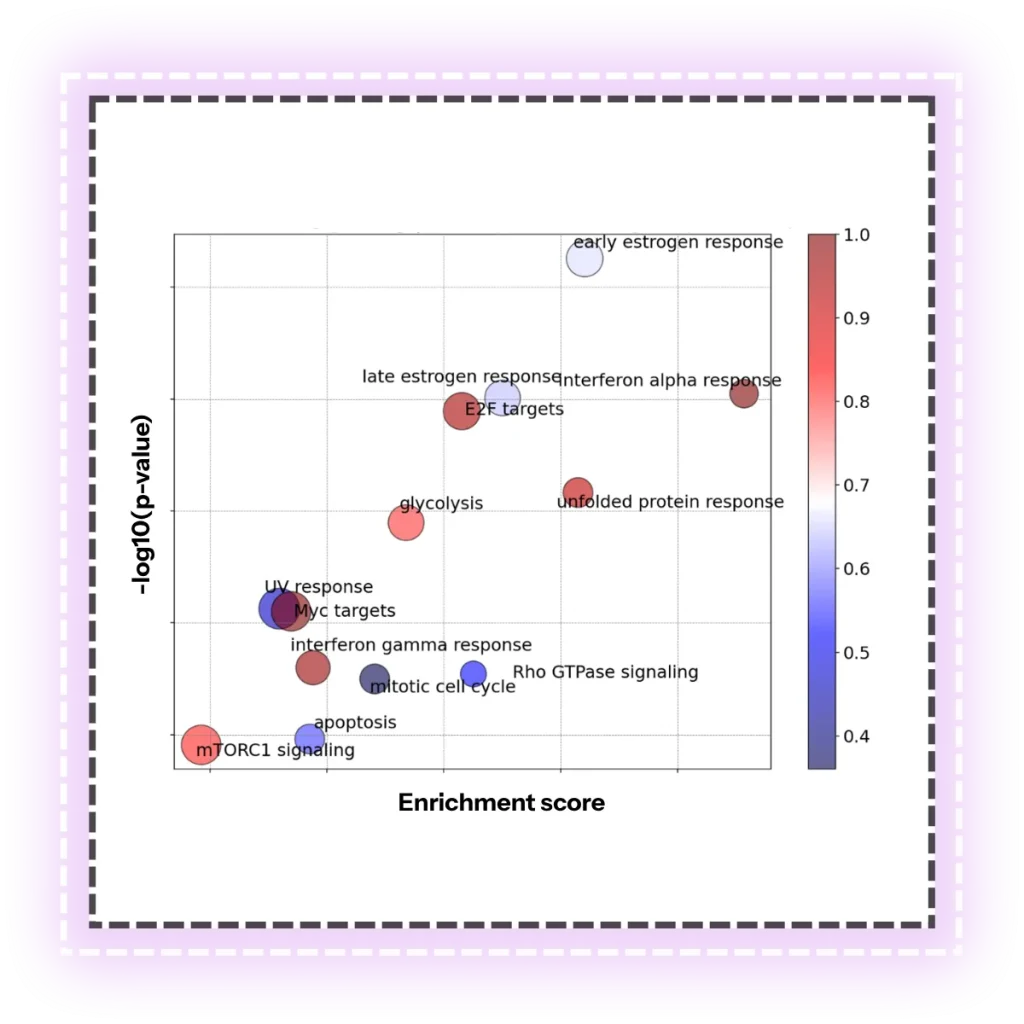
Mapping of key biomarkers within signaling pathways and biological processes to build deeper mechanistic understanding and evidence.
Characterize
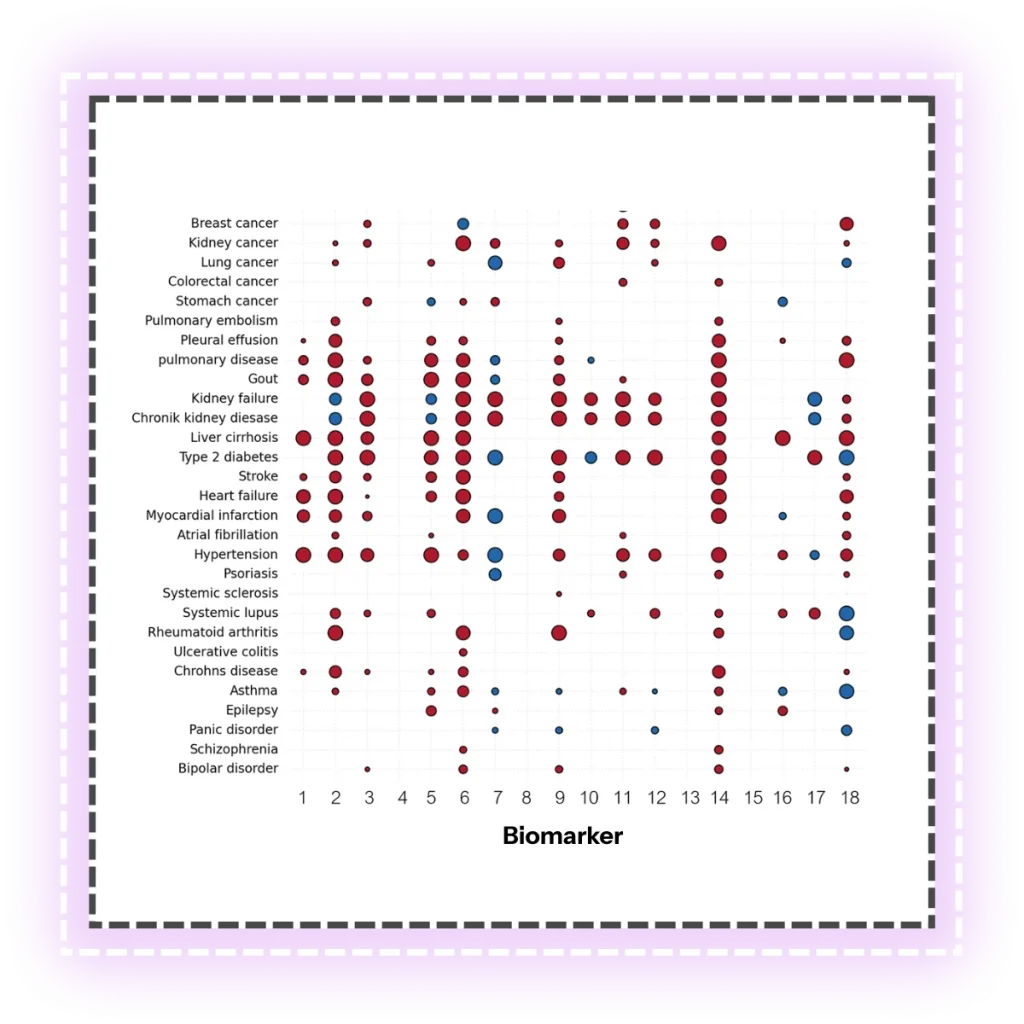
Deep characterizion of targets and biomarker(s) including associations with disease, phenotype, genotype, and clinical outcomes.
Model
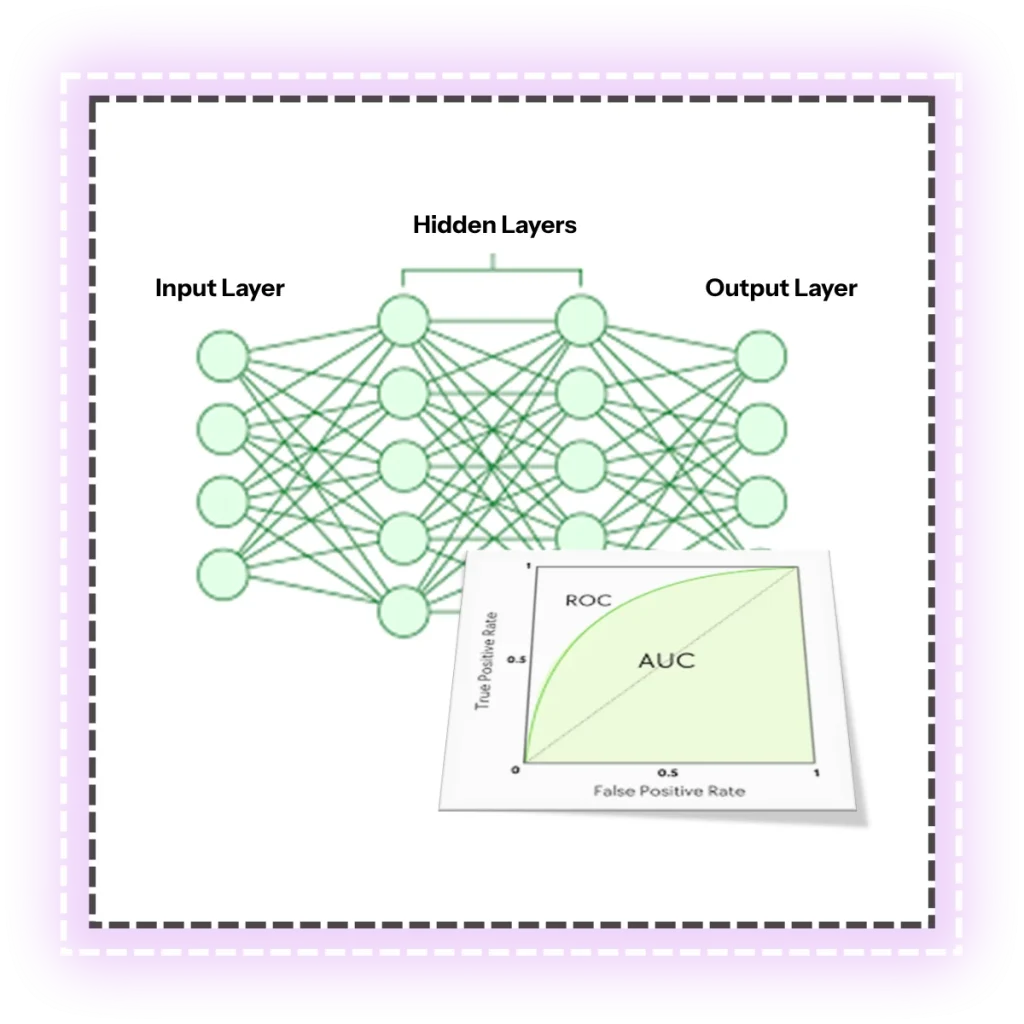
Using machine learning and AI-based tools to identify biomarker signatures predictive of disease or drug response.
Through this powerful analytical framework, we identify actionable targets, biomarkers, and biological mechanisms to help you rapidly move from discovery to decision-making.
Ready to help you generate and validate decision-ready findings, faster.
Sapient’s biocomputational team can help you rapidly turn data into actionable insights that move your pipelines forward.
They combine interdisciplinary expertise in biology, data science, and bioinformatics, a deep understanding of omics data, and tools to reduce data integration and analysis time to enable:
Rapid integration of dynamic multi-omics data using a scalable, cloud-based platform
Robust, integrative analyses to distill biologically relevant biomarkers and targets from large-scale datasets
Deep characterization of key discoveries applying explainable AI
Combining powerful tools and human expertise, we offer flexible ways to engage.
CONCEIRGE
Looking for end-to-end multi-omics data analysis services? We’ll provide a dedicated data science team to build your biocomputational plan, curate the data, and deliver an insights report with expert biological interpretation.
Already have a computational team in place? We can provide partnered support to augment and extend your internal analyses with our PrismatiQ™ suite of data analytics tools.
Seeking advice for specific omics data analyses? Our data scientists can work consultatively with your team to help ensure your experimental design and execution is optimized for maximal insight extraction with outputs made to act upon.
Amplify insights with Sapient’s DynamiQ™ Insights Engine.
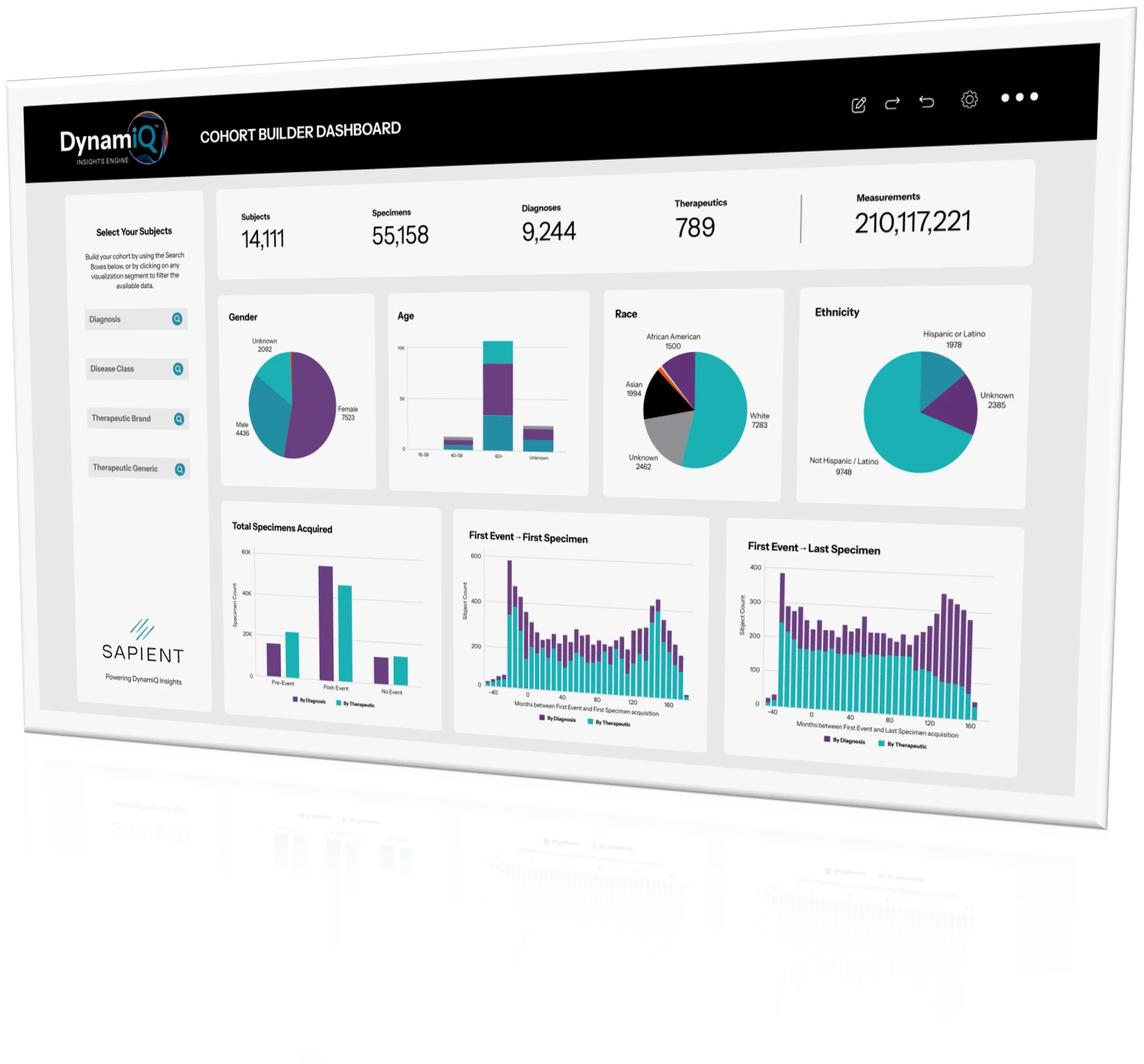
As part of our multi-omics data analysis services, Sapient can perform guided analyses within DynamiQ, our molecular-clinical database built from longitudinal measures collected in >67,000 human biosamples. We can curate virtual cohorts to:
Contextualize identified biomarker and their associations in independent cohorts
Confirm preclinical findings in real-world cohorts to build confidence in human relevance for translation
Identify unique and shared molecular profiles for patient stratification
Conduct virtual experiments to scout for biomarkers or test early hypotheses
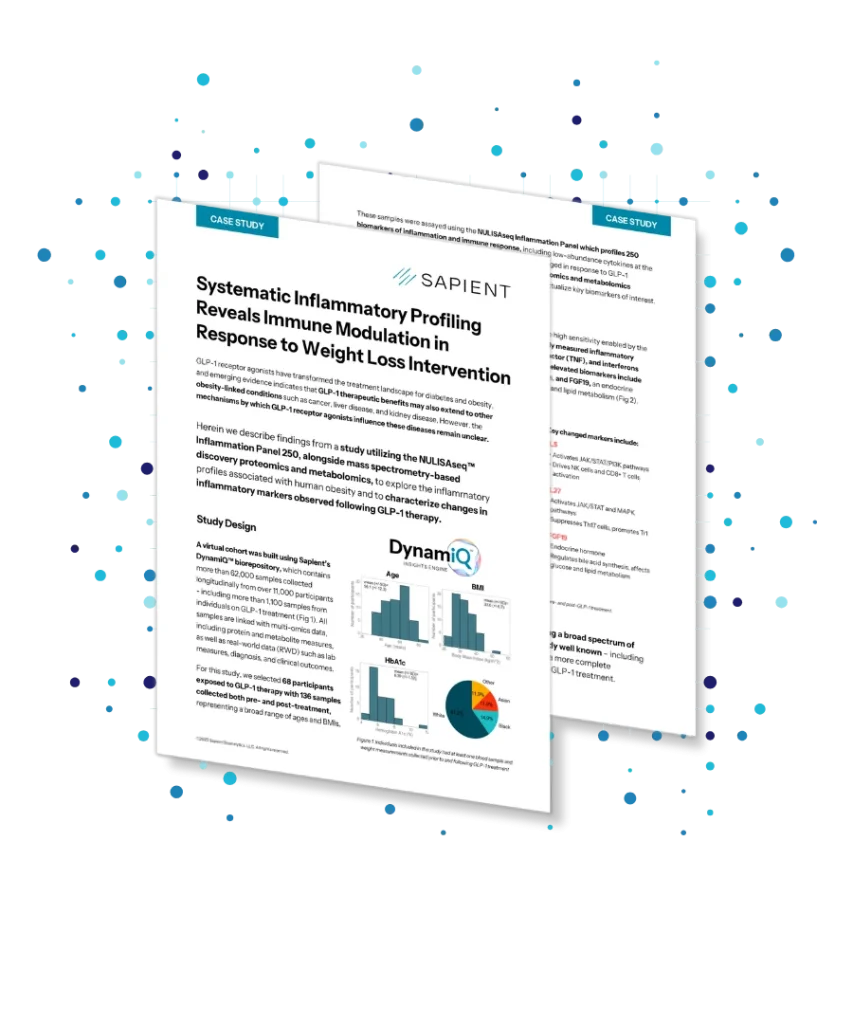
Systematic Inflammatory Profiling Reveals Immune Modulation in Response to Weight Loss Intervention
See the exciting findings uncovered in this study using a DynamiQ virtual cohort to characterize changes in inflammatory markers observed following GLP-1 therapy.
Optimizing interpretative power to unlock the full value of your omics data.
Whether used singularly or in combination, Sapient’s multi-omics data analysis services and DynamiQ database provide a uniquely powerful analytical framework for robust insight generation from complex omics data, supporting:
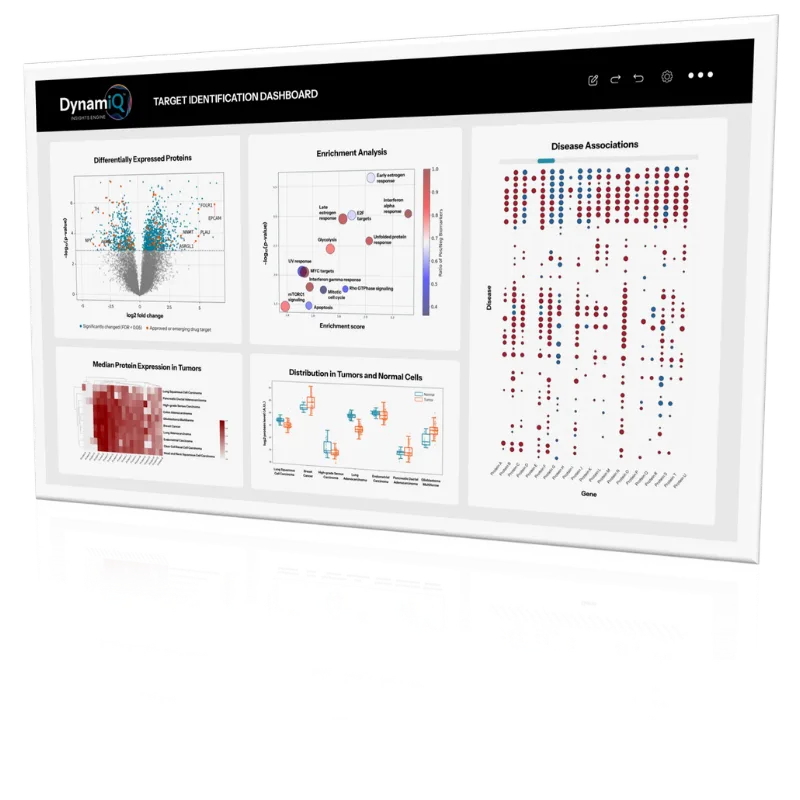
Target Identification
Comprehensive analysis of molecular changes in disease relative to normal states.
Biomarker Discovery and Validation
To identify and progress biomarkers of disease, response, risk, and progression.
ML Models for Diagnosis & Prediction
To identify unique biomarker signatures associated with disease or drug response.
Indication Expansion
To identify indications with shared targets or patients with shared multi-omic signatures.
Do your biocomputational services only work with Sapient‑generated data?
While our biocomputational workflows are deeply integrated with Sapient‑generated proteomics, metabolomics, lipidomics, and cytokine data, we can also analyze external datasets. This includes client‑generated omics data or public datasets, which we can integrate with Sapient data and, when appropriate, benchmark against population‑scale human biology data from DynamiQ™.
How do you handle high‑dimensional, nontargeted omics data?
We use an integrated multi-omics data analytic framework to reduce tens of thousands of features into biologically interpretable markers and pathways. This includes robust quality control, principled feature selection, pathway and network mapping, and statistical modeling designed to retain biological meaning while minimizing false discovery.
What types of machine learning approaches do you use?
Sapient prioritizes biologically interpretable (“white‑box”) machine learning models over black‑box approaches. We apply regression‑based methods, supervised and unsupervised learning, and custom models curated with biologically relevant features to support prediction, stratification, and hypothesis generation – while maintaining transparency and interpretability.
Can you validate findings beyond my study cohort?
Yes. A core differentiator of our multi-omics data analysis services is population‑level validation. Using our DynamiQ™ Insights Engine – built from multi-omics data collected in tens of thousands of human samples with matched EHR data – we can build human-relevant evidence by independently validating biomarkers, assessing robustness across populations, and contextualizing discoveries to confirm disease and clinical associations.
What are typical deliverables from a biocomputational engagement?
We offer standard data interpretation packages for integrative statistical and machine learning analysis of Sapient-generated omics data with additional phenotypic and/or other client-provided data. Deliverables typically include an interactive data summary report, detailed analysis notebooks including visualizations, and a data insights presentation to discuss findings and make recommendations for next steps.
Our data science team can also work with you to build a custom analysis plan that fits your specific study needs, always focused on ensuring outputs are optimized for use in your downstream R&D or clinical decisions.
How do you ensure reproducibility and data integrity?
Our workflows incorporate standardized quality control, reproducible statistical frameworks, and rigorous testing procedures. Analyses are executed on a scalable, cloud‑based platform designed to support large datasets while ensuring traceability, version control, and defensible results.
Tell us the
questions you
want to answer.
We can help you define a biocomputational plan that delivers rapid time-to-insight to accelerate your study.